Review: Learn Python Quickly
By Christopher Williams
Python is an incredibly common programming language used not only by software developers but even among physicists and psychologists for research so is this a good little introduction to learn from?
The thing to understand is that Python is quite a simple language so it really isn't surprising that even though this is a pretty short book it goes over all of the basics like variables ,looping with enumerates, data structures and using files. After it goes over the general concepts like looping it has little exercises that are really open ended and gives you a possible solution to that exercise. It even goes into some more advanced topics like using unit tests, OOP and using JSON but only in a cursory glance with just enough to get you started. Finally at the end it has two different projects, a random story creator and a weather app, that you can develop along with the book with everything that you have learned from the book.
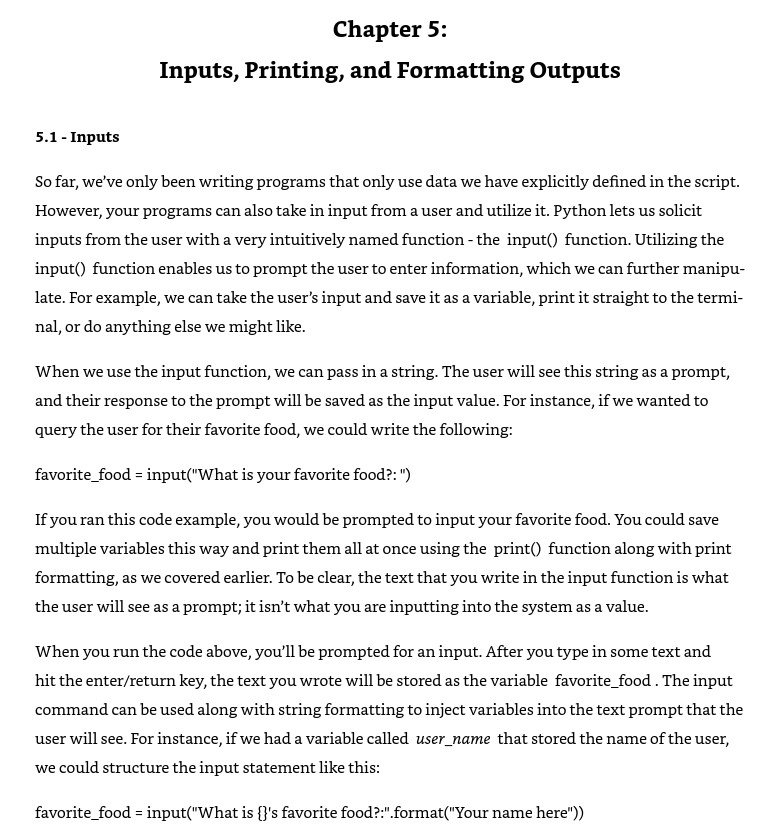
I love how quick the book is, it is only 172 pages and it goes over just about everything that you would need to know. The exercises, while simple, were actually a bit enjoyable in how open they were. The openness can hurt though if you always try to take the easy route out and can stifle creativity by not introducing a guiding light but they were quick so it really isn't a problem. I also enjoyed that it provides a decent overview of topics to explore like SQLite, JSON and unit testing so someone completely new is not just trapped with what they now know. It even recommends a bunch of widely different packages and describes why they are used like Pandas (data analysis), Pyglet (3d games) and NLTK (language processing) so you can explore just how wide the number of applications python can be used for.
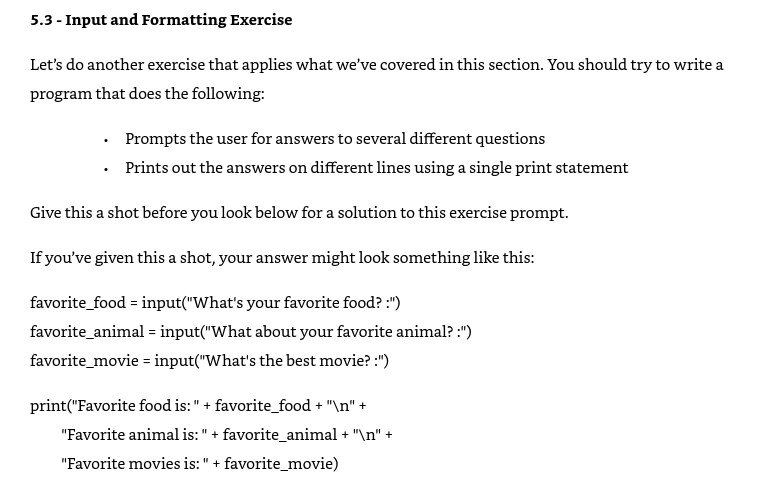
A troubling issue I have with the book is that it is really hard to go back and review information from the book. The book does not have a glossary or an index so if you wanted to find out about enumeration you will have to go to the looping chapter and manually find it in a random sentence. Since it also trying to very brief it fails to mention some traps that can happen like it has a section on threading and it says that "Threading can potentially enhance the speed at which a program executes but it won't work in all cases" (pg 112 Kindle Edition)which is true but fails to also say that threading is really easy get run because of race conditions. It is not a major deal because this only really affects the advance chapters which you can tell it is just to provide a little taste but just keep in mind that it might be leaving out some important details.
Overall, I would definitely recommend the book, especially if you have some light experience and want a quick introduction that can get you started or to fill in some gaps of knowledge of the basics. It's very cheap, not a bad read and it never overstays its welcome. If you plan on sticking with Python then get a reference book because going back to find information in the book for later is a pain.
Basic Info
- Publisher: Drip Digital
- Author: Code Quickly
- Versions, Price and Publish Time:
- Kindle: $6.99, 22 March 2020
- Paperback, Amazon (Various Dealers): ~$16.50, 22 March 2020
- Paperback, Barnes & Noble: $20, 22 March 2020
- ISBN-13: 978-1786576002
- Pages: 172
- Software Version at publication of book: Python 3.8
Links